Got a Problem? Our Experts Have a Solution...
Do you have a gardening problem? Need tips or advice? Find it all here. Our easy Q&A guide makes it simple to find answers to popular questions and gives you an opportunity to consult an expert.
Chances are you’re not alone. Check out our Top 10 Q&A list for quick garden solutions.
Not in the Top 10? Check our library of expert advice to help you find your answers.
Still stumped? That’s why we have experts on hand to help you with all your gardening needs. Email your question and get a reply within 24 hours.
When is the best time to prune flowering shrubs?
You can prune dead branches at any time. If you’re pruning to renew the shape of a shrub, wait until after the flowers are done and then prune. That will allow the plant to grow new branches and develop new flower buds over the summer. When removing live branches, cut back to a bud that’s pointed in the direction you want the new growth to take. As a general caution, never remove more than 1/3 of a plant in any 1 year. If your shrubs are really overgrown, plan to reduce their size over 2–3 years.  
When is the best time to plant bare-root roses?
Bare-root roses are usually best planted in early spring while they are still dormant and can wake up naturally with the season. If yours are beginning to set leaves, there is still time to get them in the ground. Plant them before hot weather then water thoroughly to settle any air pockets. You should water as needed to keep the soil damp but not saturated. If the plant dries out before its roots begin to grow and take up moisture, it will die.

To plant, dig a hole deep and wide enough to accommodate the roots when you spread them out. Look for a graft (knob) near the bottom of the main stem and plant the shrub so the graft is a few inches above soil level. Dig the hole then test to make sure it’s just the right depth by setting the plant in the hole. Once you’re sure it’s the right depth, place a mound of soil in the bottom of the hole so you can drape the roots over the mound in a natural fashion. This will help support the plant until the roots become established. Then fill in the hole and gently tamp the soil and water deeply. Water once each week and you should see new growth in just a few weeks.  
What plants will flourish in hanging baskets?
Here are some good choices.
- Sweet potato vine (Ipomoea): This lovely cascading annual is grown for its foliage which can be stunning green, black or variegated green with pink leaves on the 2-inch trailing stems. It thrives in Zones 10–11.
- Nasturtiums (Tropaeolum): This annual is grown not only for its gently cascading foliage, but for the bright and cheerful flowers, which are edible—they are good in salads and the seeds make a peppery seasoning.
- Edging lobelia (Lobelia): The trailing forms of lobelia grow to a maximum of 2–3 inches and produce cheerful blue flowers most of the spring and early summer. It thrives in Zones 6–9.
- Wave petunia: These excellent cascading- or spreading-form annuals perform well and have large 3-inch flowers that are bright pink, purple and red. They grow on trailing stems about 3 inches long.
- Sweet alyssum (Lobularia): This annual is common in rock gardens and containers. It’s a low-growing plant that is highly fragrant and attracts honeybees, butterflies and hummingbirds to the sprawling clumps of flowers that almost completely cover the foliage early spring through fall. For additional plant suggestions, head to your local The Home Depot.  
What are the best deer-resistant plants, shrubs and trees?
Deer can certainly be a big problem for gardeners. There are a number of deer-resistant plants.
- Bulbs: allium, crocus, daffodil (Narcissus)
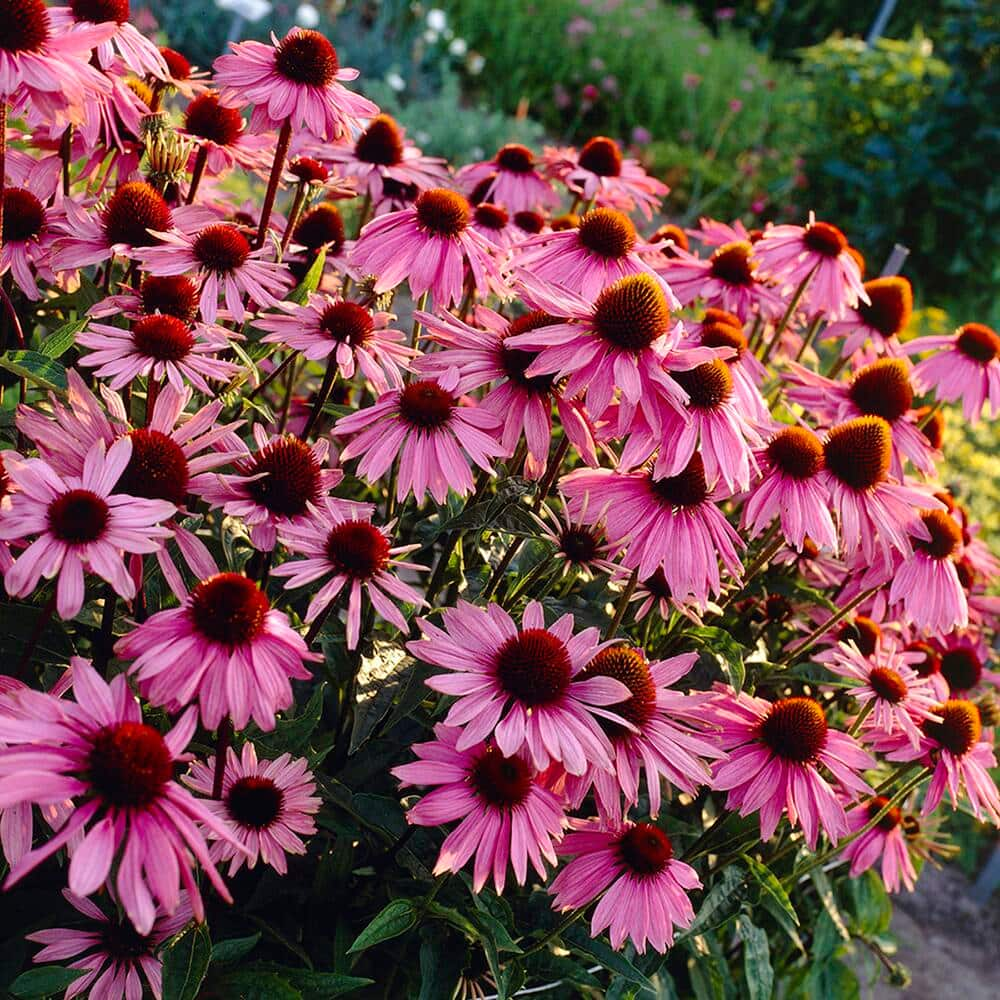
- Perennials: artemisia, aster, candytuft (Iberis), coneflower (Echinacea), iris, peony (Paeonia), phlox
- Shrubs: boxwood (Buxus), cotoneaster, hydrangea, lilac (Syringa), dogwood (Cornus)
- Ground covers: ajuga, ferns, pachysandra
- Vines: clematis, euonymus
- Trees: maple (Acer), birch (Betula), pear (Pyrus), hemlock (Conium)
Your local The Home Depot has a wide selection of products that will keep deer out of your yard, including fertilizers and blood meal. When choosing a product, check to see how long it lasts so you can prepare for re-applications, which may range from 1 application up to once every 7–10 days.  
How can I improve my hard clay lawn so that I can grow something other than weeds?
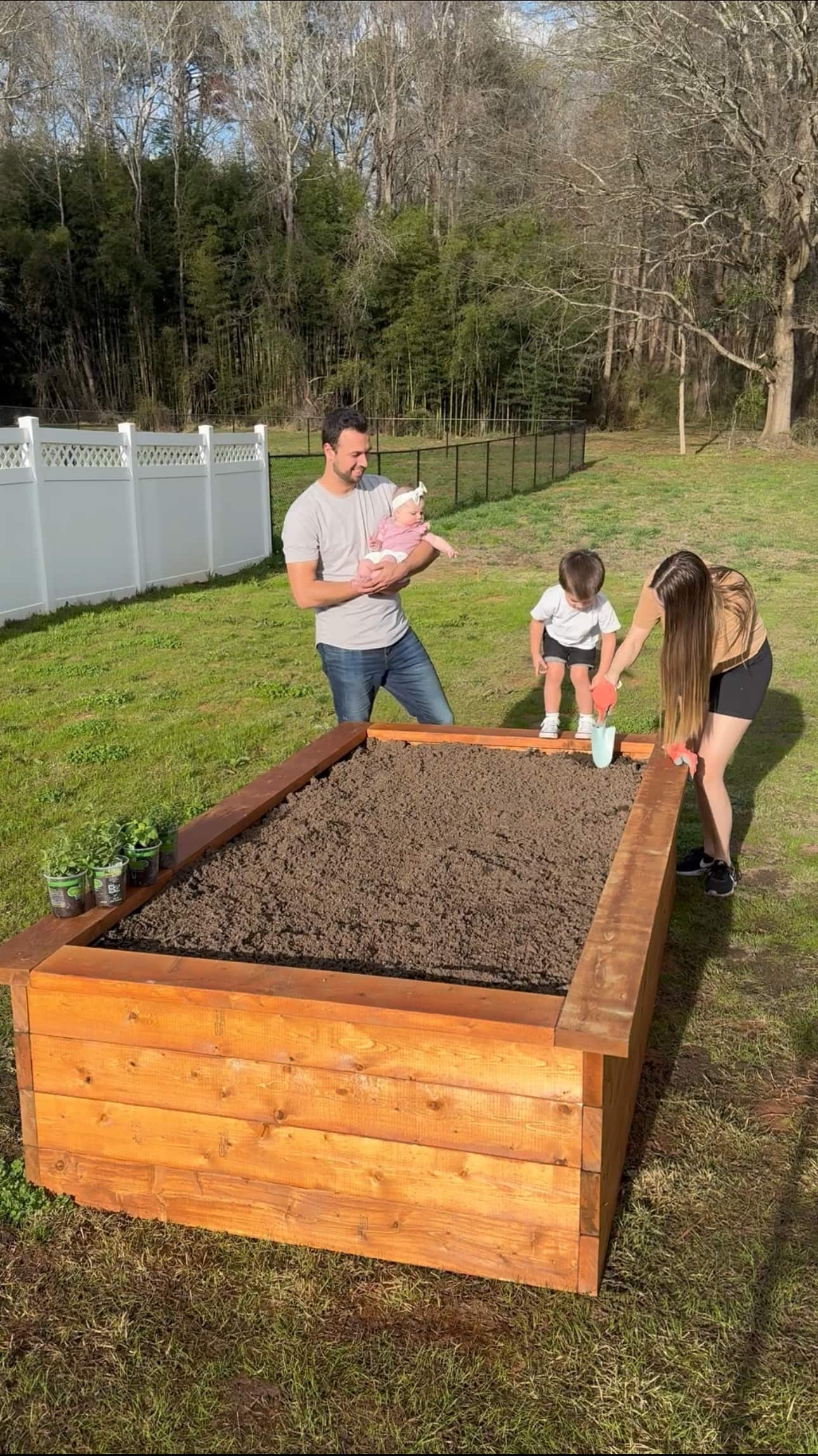
There’s no overnight method to improve heavy clay soil, but you can improve its fertility over a 3–4 year period and then maintain it by incorporating organic matter each year. You can also help loosen your soil by sowing a cover crop in the fall and digging it into the soil in the spring prior to planting. Start by adding 4–5 inches of compost or other organic matter, digging it into the garden bed, to a depth of 10–12 inches. Mix in organic mulch prior to planting your fall cover crop. Meanwhile, consider adding a raised garden bed, as it can take several years to change the consistency—but with persistence you can have terrific soil.  
I have a second-floor balcony that gets no sun. I want to try a container garden. Do you have any plant suggestions?
There are both annuals and perennials. Consider the following:
- Astilbe: This summer-flowering perennial with plume-like blooms does well in Zones 4–9 and is available in several colors including shades of pink, red, purple and white. Astilbe is easy to grow in average garden soil, requires plenty of moisture and does well in dense shade.
- Bulbs: Daffodils, crocus and grape hyacinths all do well and add spots of purple, yellow and white.
- Caladium: This annual features showy, large heart-shaped leaves in red, pink, green and white. They prefer full shade and grow to a height of approximately 15 inches.
- Foxglove (Digitalis): This plant falls into two groups—both perennial and biennial. Foxgloves have striking bell-shaped flowers on long spikes. They prefer moist, well-drained soil and make excellent cut flowers.
- Hosta: These popular, hardy plants thrive in Zones 3–9 and feature summer-blooming flowers of white or lavender that extend on long stalks from the foliage. Some varieties are surprisingly fragrant and most do well in dense shade.
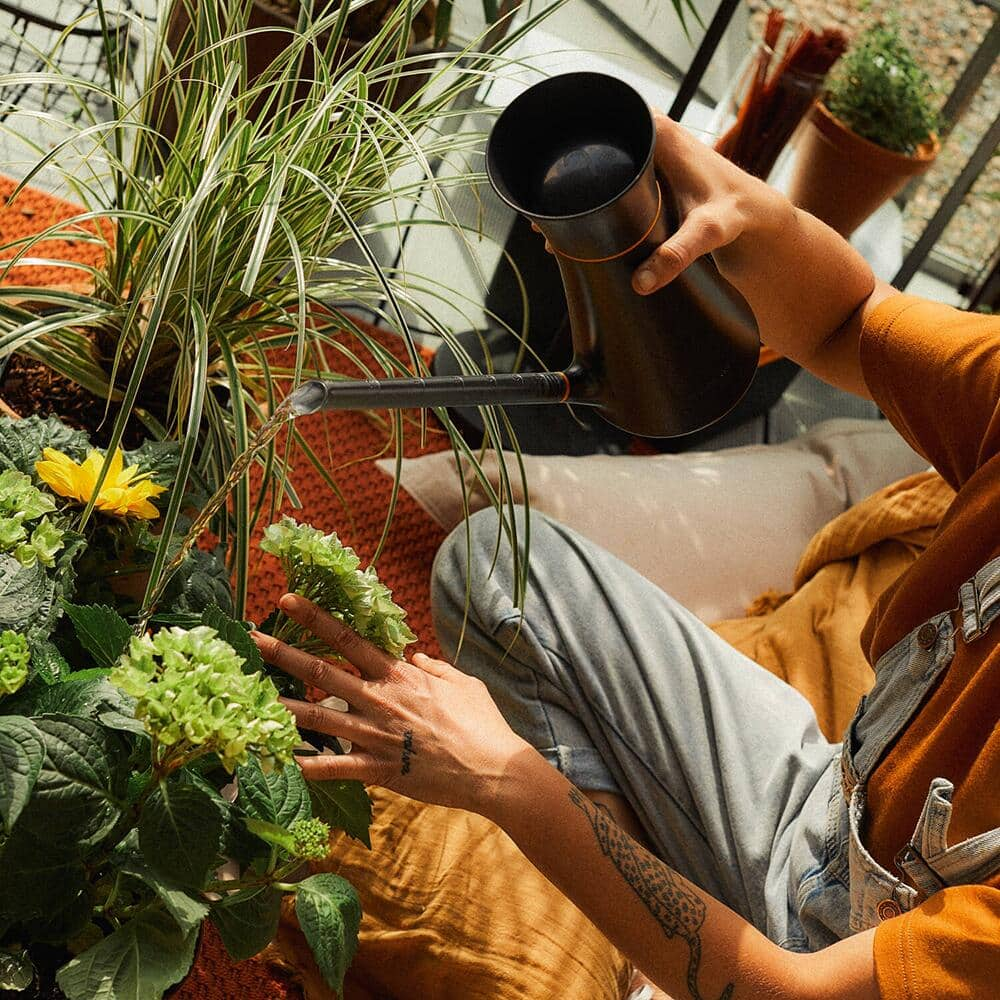
- Hydrangeas: These are deciduous shrubs that thrive in Zones 5–8 and grow to 3 feet or taller; and have large flower heads that tend toward blue if soil is acidic and pink if soil is alkaline. They are a good choice for dense-shade areas.
- Lobelia: This is hardy in Zones 6–9 and is comprised of a large genus of perennials and annuals in both tall and low-growing forms. These plants need moist soil and light shade.
- Vinca: This shade-loving vine thrives in Zones 4–9, looks attractive in containers, hanging baskets or as a ground cover. Small blue-violet flowers may appear, but the glossy foliage itself is stunning in shaded areas or full sun.  
Someone told me that I should plant my basil with my tomatoes as they complement each other, but I shouldn’t plant my peppers near my tomatoes. Is this true?
There are some sound principles behind this idea. First, diversity in the garden (planting lots of different things) helps minimize pest problems because pests that are specific to certain vegetables have a hard time finding exactly what they need and get confused by the aromas—such as mixing basil with tomatoes or many other combinations. There are some diseases that attack both tomatoes and peppers (they’re botanically related) and putting them side by side can encourage the spread of disease and pests.  
I care a lot about my garden and recently got a new dog. Is there anything I should do to protect them both?
Since dogs love to nibble on plants, avoid ones that are known to be irritating or toxic. Common garden plants that can harm your pets include flamingo lily (Anthurium), castor bean, foxglove, jasmine, oleander and tomato plants. Pet-friendly plants, on the other hand, include bamboo, catnip, lavender and marigold (but not marsh marigold). As for protecting your garden, the best way to curb the destructive tendencies of a dog is to let him burn off that exuberant energy in a nearby park. A well-exercised dog will use yard time to hang out with you and relax, not to dig up your plants.  
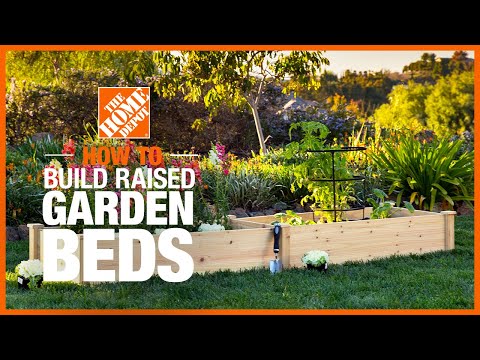
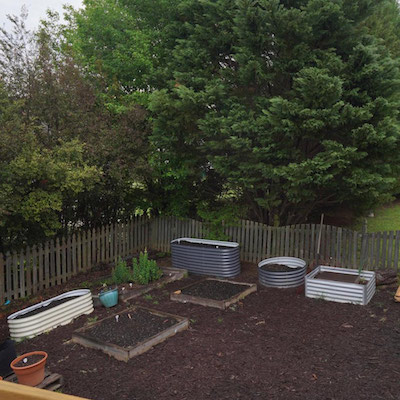
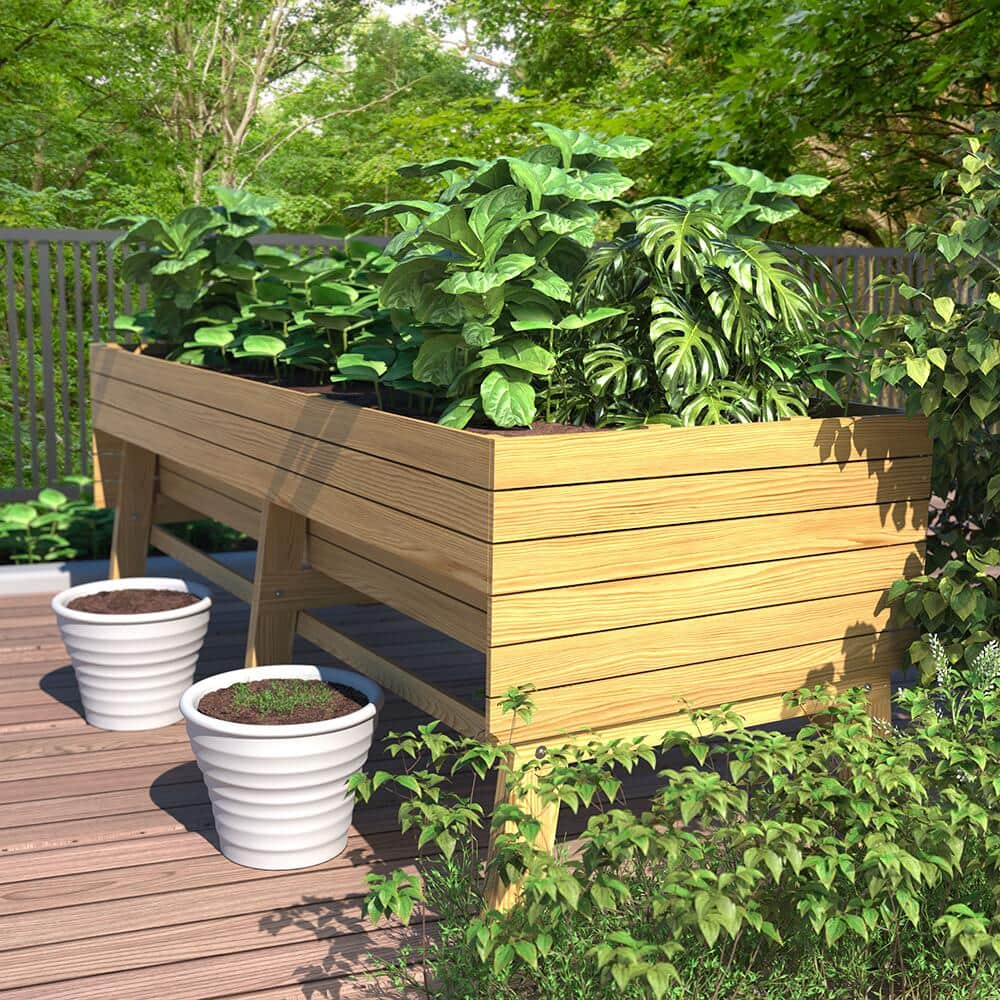
We built a raised bed, but weeds are already growing—despite the landscape fabric. How many weeds do we really need to get out?
Pulling weeds out by the roots will keep the area mostly weed free, especially if you put down weed barrier. If you do not intend to plant in the bed for a few months, you can use a Roundup weed killer on the bed, then place weed barrier such as Weedblock Landscape Fabric, available at The Home Depot, over the top of the bed. This should take care of the weeds and keep new ones from sprouting. If you still see weeds, use a post-emergent product.  
How do I prune my roses?
Pruning roses can be confusing because different varieties require different techniques. If you have hybrid teas or grandifloras, which are the most commonly grown varieties, you need to prune these more heavily to encourage bigger flowers. Here are the basics: In the spring, remove the dead and damaged canes as far back as necessary. Then, remove any suckers that arise from below the graft union, if there is one (the swelling near the base of the plant). Next, select the healthiest canes (thicker and bright green) and cut off the rest. If your roses are just a couple of years old, save about 3–5 canes. Retain more on older plants. Last, cut the flowering canes back by 1/3–1/2. Make your cuts about 1/4-inch above an outward-facing bud. Younger rose bushes do best with light pruning; older, more established rose bushes can tolerate heavy or renewal pruning. Another tip: When it’s time for a bouquet, cut the stems just below the uppermost leaf with 5 leaflets. This will encourage more flowering.